Gardening Hainault: Recycling and Sustainability in Local Gardens
 Welcome to the Recycling and Sustainability page for Gardening Hainault, where we outline practical, neighbourhood-led steps to create an eco-friendly waste disposal area and a resilient, sustainable rubbish gardening area. Gardening in Hainault is at the heart of local green spaces, and our approach balances everyday garden maintenance with borough-wide recycling systems. We describe targets, partnerships and transport measures that reduce carbon and keep valuable materials in use.
Our mission for Gardening Hainault emphasises measurable action: we have set a recycling percentage target of 65% by 2030 for garden-related waste and associated household recycling streams collected in the area. This target aligns our neighbourhood composting, woodchip reuse and seasonal planting waste diversion with wider borough ambitions. Creating a sustainable rubbish gardening area means reducing landfill, increasing reuse and ensuring garden waste is treated as a resource.
 The borough's approach to waste separation underpins everything we do. Local councils typically operate kerbside separation schemes that accept: paper & card, mixed recyclables, glass, food waste, and garden/green waste. At the neighbourhood level we support this with targeted recycling activity relevant to Hainault and neighbouring boroughs through local transfer stations and community-led collection points. Practical recycling activity in the area often includes:
- Kerbside garden waste collections and communal green bins
- Food waste and home composting to divert organic material
- Separate glass and mixed recycling streams collected at household kerbs
Eco-friendly Waste Disposal Area — Design and Local Facilities
Creating an eco-friendly waste disposal area for gardening means zoning spaces for compost, clean wood storage and containers for pots and plastics that can be reused. We work with local transfer stations and borough waste hubs to ensure sorted materials from Hainault are processed appropriately. While local transfer stations vary across Redbridge and neighbouring boroughs, neighbourhood projects coordinate drop-offs to the nearest council or shared transfer facility so material streams remain uncontaminated.
 Community compost bays and mulching sites are central to a low-waste gardening model. For Gardening Hainault, sustainable rubbish gardening areas include sealed bays for slow composting of woody cuttings, hot composting units for food and soft green waste, and dedicated shelves for cleaning and preparing pots for reuse. We encourage the use of home composters and community compost hubs that feed back into planting beds, reducing the need for peat-based products and lowering embodied carbon.
Partnerships are essential. We partner with local charities and community organisations to redistribute usable items — salvaged pots, tools and soil improvers — that would otherwise be discarded. These collaborations focus on reuse and repair rather than disposal, helping to maintain a circular approach within Hainault and the surrounding boroughs.
Low-carbon Vans and Sustainable Collections
To make an eco-friendly scheme work at scale, transport matters. Gardening Hainault supports the adoption of low-carbon vans for garden waste collection and charity redistribution rounds. That means electric vans, plug-in hybrids and optimised routing to cut emissions from collection vehicles. Where appropriate, lightweight cargo bikes and consolidated drop-off days reduce the number of mechanical trips and make small-scale, local reuse viable.
 Monitoring progress toward our recycling percentage target relies on clear records from local transfer stations and collection partners. Data is aggregated from kerbside gardens waste collections, community compost hubs, and partner charity pickups so we can report on diverted tonnes and compost output. Regular audits help ensure the sustainable rubbish gardening area is not contaminated with non-compostable waste, and that materials routed to charities and repair groups meet quality standards for reuse.
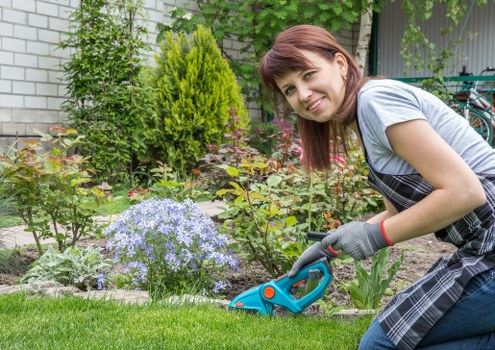 How you can contribute: adopt separation at source, use communal compost bays responsibly, and support local charity partnerships by offering surplus pots or tools. Gardening Hainault emphasises practical, shared responsibility — a thriving, low-carbon gardening community depends on residents, community groups and local waste partners working together. Together we can transform garden waste into resources, reach our recycling percentage target, and keep Hainault's green spaces productive and sustainable.