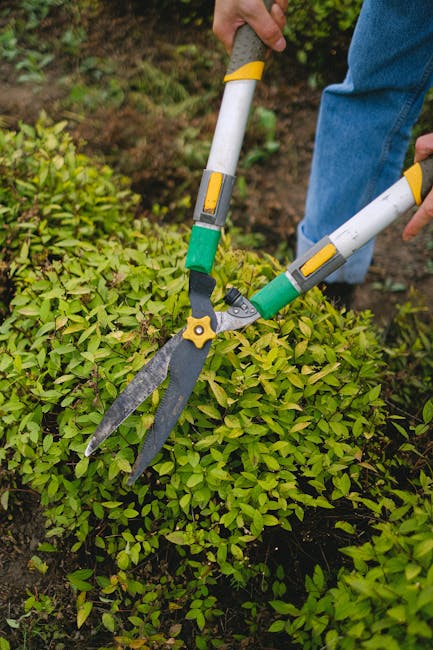
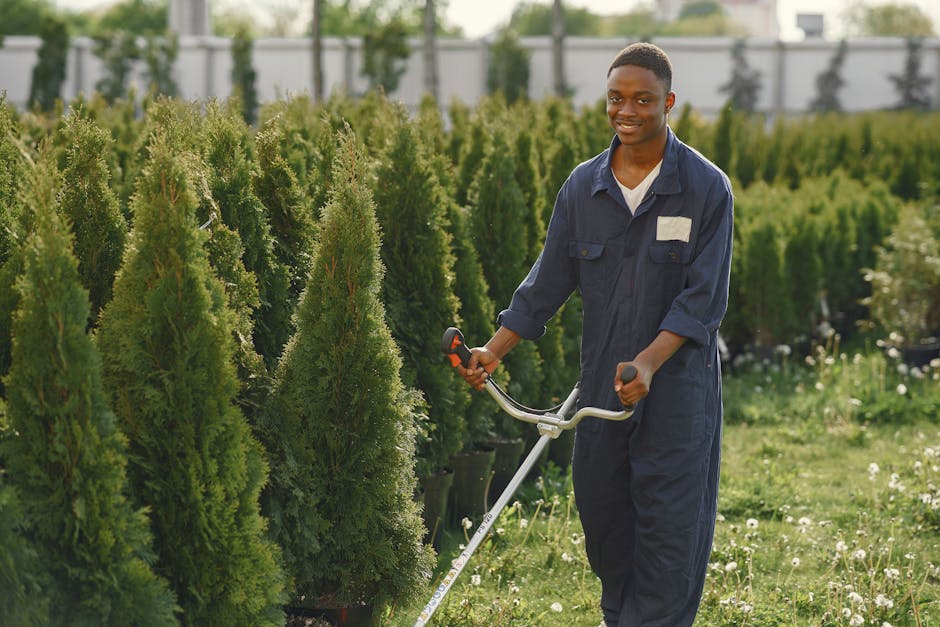
Real cost of hedge cutting in Hainault and common problems
If you have a hedge that has gone from tidy boundary to unruly green wall, you are not alone. The real cost of hedge cutting in Hainault and common problems is rarely just about a quick trim and a tidy-up. It usually comes down to access, hedge height, thickness, waste removal, time on site, and the condition of the hedge itself. And then there are the headaches: uneven cuts, awkward boundaries, overgrown sections, nesting birds, and the classic "it looked easier from the pavement" moment.
This guide breaks down what affects the price, what can go wrong, and how to decide whether a one-off cut or regular maintenance makes more sense. If you are comparing options, trying to budget properly, or simply wondering why one quote feels reasonable and another feels a bit steep, this should help. We will keep it practical, local, and honest.
For readers who want to explore related services while planning the work, the site's services overview and pricing and quotes pages are useful starting points.
Table of Contents
- Why the real cost and common problems matter
- How hedge cutting work is priced and delivered
- Key benefits and practical advantages
- Who this is for and when it makes sense
- Step-by-step guidance
- Expert tips for better results
- Common mistakes to avoid
- Tools, resources and recommendations
- Law, compliance, standards and best practice
- Options, methods and comparison table
- Case study or real-world example
- Practical checklist
- Conclusion
- Frequently asked questions
Why the real cost of hedge cutting in Hainault and common problems matters
A hedge is one of those things you only really notice when it stops behaving. In a place like Hainault, where gardens often balance privacy, street-facing presentation, and limited side access, hedge work can become more than a minor maintenance job. A tidy hedge lifts the whole front of a property. A neglected one can block light, squeeze paths, spill over fences, and make the garden feel smaller than it is.
The cost matters because hedge cutting is not priced like a simple, fixed menu item. Two hedges the same length can take very different amounts of time. One might be easy to reach and lightly shaped. Another might be tangled, woody, and hiding behind a garage, with clippings everywhere and a neighbour's drive to protect. That difference shows up in the quote.
The common problems matter for another reason: they affect the real value of the work. A cheap cut that leaves ragged edges, uneven tops, or missed sections can cost more in the long run. You may need a second visit, a corrective tidy-up, or even more frequent maintenance to get the hedge back into shape. Let's face it, nobody wants to pay twice for the same job.
There is also a trust element. A decent hedge cutting service should be able to explain what is included, what counts as extra, and why. That transparency matters even more when the hedge is large, overgrown, or likely to produce a lot of waste. If you are also planning related garden work, pairing hedge maintenance with garden maintenance or broader landscaping can sometimes make the whole visit more efficient.
How the real cost of hedge cutting in Hainault and common problems works
Most hedge cutting quotes are based on a mix of labour time, hedge size, access, waste handling, and the level of finish required. In other words, you are paying for more than someone holding a trimmer for an hour. You are paying for assessment, setup, cutting, shaping, clearing, loading, and often disposal.
Here is the practical breakdown.
1. Hedge size and shape
Tall, wide, dense, or long hedges naturally take longer. A formal hedge with crisp lines and a level top usually takes more care than a rough boundary hedge. Curves, corners, and mixed species can slow things down too. A flat line is one thing. A hedge with dips, slopes, and a few determined woody stems is another.
2. Accessibility
If the hedge can be reached easily from the front garden or driveway, the job is generally simpler. Tight side access, steep slopes, awkward gates, or work that requires ladders can add time and risk. If the team has to protect paving, move obstacles, or work around parked cars, the cost tends to rise a bit. Fair enough really.
3. Condition and overgrowth
A hedge that has been maintained regularly is faster to cut, cleaner to finish, and less likely to cause problems. An overgrown hedge may need reduction rather than a simple trim. That can involve thicker stems, more waste, and more careful shaping so the hedge still looks balanced when you are done.
4. Waste removal
Clippings can be surprisingly bulky. A light trim produces manageable green waste. A hard cut on an established hedge can fill bags, tubs, or a van very quickly. Some quotes include clearance and removal; others do not. This is one of the biggest areas where people feel caught out, so always check.
5. Safety and equipment needs
Working near fences, sheds, glass, garden lights, busy footpaths, or overhead obstacles changes the method. Sometimes the job needs long-reach tools, platforms, or extra hand tools for a cleaner finish. Safety is not a buzzword here; it affects both the price and the outcome.
6. Season and timing
Timing can matter more than people think. In spring and summer, many hedges grow quickly and may need more frequent work. In damp weather, the job may take longer because of slippery ground and heavier clippings. There is also the practical issue of nesting birds, which means responsible hedge work needs sensible timing and a careful eye.
A common mistake is assuming all hedge cutting is the same. It is not. A quick trim, a corrective reshape, and a full reduction are three different jobs, even if they sound similar in conversation.
Key benefits and practical advantages
A properly cut hedge does more than look neat. It can improve light, privacy, boundary definition, and the overall feel of the garden. You notice it when you step outside on a damp morning and the space suddenly feels more open. Small thing, maybe. But it changes how the whole garden works.
- Better kerb appeal: A tidy hedge creates a cleaner first impression from the street.
- Healthier growth: Regular cutting helps maintain shape and can reduce the need for harsh corrective cuts later.
- More usable space: Shaving back an encroaching hedge can give you room on paths, drives, and borders.
- Less ongoing mess: Frequent maintenance usually creates less waste than letting the hedge run wild and then dealing with a huge cutback.
- Improved light: Trimmed hedges can let more daylight into the garden and the house.
- Reduced neighbour friction: A hedge that stays within your boundary is simply easier to live with.
There is also a quieter benefit: peace of mind. When the hedge is under control, you stop thinking about it every time you open the curtain or walk down the side return. That is worth something, even if it does not show up on the invoice.
If the hedge forms part of a larger garden tidy-up, you may also find value in coordinating it with lawn mowing or garden clearance so the whole space feels finished in one visit.
Who this is for and when it makes sense
Hedge cutting makes sense for a wide range of homeowners and landlords, but the trigger points are usually quite practical.
You probably need hedge cutting if:
- branches are hanging over a path, drive, or neighbour's boundary;
- the hedge is blocking light from windows or patio areas;
- the top has become uneven or lopsided;
- the hedge is spreading wider than intended;
- you have let it run for a season or two and now it needs proper reshaping;
- you want to prepare the garden for sale, letting, or a family gathering;
- the hedge is part of a larger maintenance routine and is starting to look neglected.
For landlords, the job is often about presentation and avoiding complaints. For busy homeowners, it is usually about time and consistency. For older residents, access and safety become bigger considerations. In each case, the right service is the one that matches the hedge's condition, not just its height.
If you already know the hedge is part of a broader seasonal plan, it can help to schedule it alongside garden maintenance rather than waiting for everything to become a rescue job. Rescue jobs are always messier. Always.
Step-by-step guidance
Here is a straightforward way to approach hedge cutting without overcomplicating things.
Step 1: Walk the hedge line properly
Look at the hedge from both sides if you can. Check for overhang, dead sections, gaps, broken stems, and anything near the base that could affect access. A 2-minute walkaround can prevent a 20-minute surprise later.
Step 2: Decide whether you need a trim or a reduction
A trim is for shaping and tidying. A reduction is for cutting back size. If the hedge has grown too tall or too wide, a simple trim may not be enough. This is one of the biggest points where expectations and reality drift apart.
Step 3: Ask what is included in the quote
Check whether the quote covers labour, waste removal, green bagging, height-related access, and any additional tidy-up. The cheapest number is not always the cheapest job once extras appear.
Step 4: Clear access before the work starts
Move pots, furniture, toys, bins, bikes, and anything fragile away from the hedge. It sounds obvious, but you would be surprised how often a simple clear-out saves a lot of faff.
Step 5: Confirm timing and restrictions
If the hedge borders shared space or a neighbour's property, give everyone enough notice. Also keep an eye on local wildlife considerations and avoid disturbing nesting birds. A careful team should be able to work sensibly around this.
Step 6: Review the finish on the day
Before anyone packs away, check that the top line, sides, and edges look right. A good finish is tidy, balanced, and clean around the base. If clippings are left in awkward piles, ask for a final sweep. No drama, just a proper finish.
Expert tips for better results
The best hedge jobs usually come down to simple habits done consistently.
- Cut little and often: Regular trimming is usually kinder to the hedge than leaving it untouched for ages.
- Keep the base slightly wider than the top: That shape helps lower growth receive light.
- Plan before the hedge becomes a problem: It is cheaper and easier to maintain than to rescue.
- Match the method to the hedge type: Different species respond differently, and a one-size-fits-all approach can look rough.
- Be honest about access: If the side gate is tight or the hedge runs close to a wall, say so early.
- Ask for photos if you are getting a remote estimate: A few clear images can prevent pricing surprises.
One small but useful tip: if your hedge has not been cut in a while, do not push for a dramatic reduction in one go unless the plant and the surrounding space can handle it. Gradual improvement often gives a cleaner, healthier result. It is not glamorous, but it works.
For readers interested in the wider garden picture, landscape gardening can be a helpful next step if hedge cutting is part of a bigger redesign or boundary refresh.
Common mistakes to avoid
Most hedge-cutting headaches come from a few repeat mistakes. The good news is they are avoidable.
1. Choosing only on price
The lowest quote can be tempting, especially when you just want the hedge dealt with. But if it excludes waste removal or rushes the work, you may not save much in the end.
2. Ignoring the hedge's actual condition
If a hedge is thick, woody, or badly out of shape, it needs more than a light cosmetic trim. Misjudging this usually leads to disappointment.
3. Not asking about waste
Green waste takes space and time. If removal is not included, you could end up dealing with a pile of clippings that sits there looking at you like an accusation.
4. Cutting at the wrong time
Timing can affect both plant health and responsibility. A sensible approach matters more than squeezing the job into the first free slot available.
5. Leaving access problems for the day of the job
Locked gates, blocked paths, moving vehicles, and packed sheds all slow the work down. A little preparation saves hassle.
6. Expecting a worn-out hedge to look perfect instantly
Sometimes a hedge needs a season or two of regular care before it looks balanced again. That is normal. Truth be told, plenty of garden jobs are like that.
Tools, resources and recommendations
Even if you are hiring someone to do the cutting, it helps to understand the tools and resources involved. That makes quoting easier and reduces misunderstandings.
Common tools used in hedge cutting
- Hedge trimmers: Used for fast, even shaping on lighter growth.
- Long-reach tools: Helpful for taller hedges and safer overhead work.
- Hand shears: Useful for finishing touches and more precise shaping.
- Pruning tools: Needed for thicker stems that trimmers should not be forcing through.
- Protective equipment: Gloves, eye protection, stable footwear, and suitable clothing all matter.
Useful preparation on your side
- Take clear photos before requesting a quote.
- Measure approximate hedge length and height if you can.
- Note whether access is via front, side, or rear garden.
- List any obstacles: fences, cables, ornaments, ponds, or fragile paving.
- Decide whether you want shaping only, a reduction, or full waste removal.
If you are unsure how much work your hedge needs, a proper service conversation is usually better than guessing. You can always start with the company's hedge trimming page and then compare that against the hedge's current state. Small clarification, big difference.
Law, compliance, standards and best practice
Hedge cutting sounds simple, but there are sensible UK best practices that should always be respected. This is especially true where hedges border public areas, shared boundaries, or places where wildlife may be present.
A responsible approach usually includes:
- checking for nesting birds before cutting;
- using equipment safely and sensibly for the hedge height and condition;
- keeping work within agreed boundaries;
- treating neighbour access and property carefully;
- disposing of green waste responsibly;
- working in line with the provider's own health and safety policy and insurance and safety information.
If a hedge sits near a footpath, driveway, or shared frontage, good practice is to protect surfaces and keep trip hazards under control. That sounds basic because it is basic. But basic is often what separates a smooth job from a frustrating one.
You may also want to check how the company handles payments, deposits, and quote terms through their payment and security and terms and conditions pages. A clear agreement helps everyone.
Options, methods and comparison table
There are usually three broad ways people approach hedge work: a light trim, a stronger reshape, or full restoration after neglect. The right option depends on the hedge and your budget.
| Option | Best for | Typical effort | Main risk | Best outcome |
|---|---|---|---|---|
| Light trim | Regularly maintained hedges | Low to moderate | Looking uneven if rushed | Clean, tidy, quick finish |
| Shape and reduction | Hedges that have grown too large | Moderate to high | Exposing bare patches if too much is removed | More manageable hedge size |
| Full restoration cut | Severely overgrown hedges | High | Extra waste, more time, slower visual recovery | Brings the hedge back under control |
The cost usually rises as you move down that table. Not because anyone is being awkward, but because time, tools, and waste all increase. A restoration cut can be the right call, though. Sometimes you just need to stop the hedge winning for a change.
Case study or real-world example
Picture a front hedge on a typical Hainault residential street. It has been trimmed once a year for a while, then missed a season. By the time it is booked, the hedge is hanging over the pavement a little, blocking a bit of light at the front window, and growing denser than expected near the base. Nothing dramatic, just enough to make the property look tired.
On inspection, the work turns out to be more involved than a simple trim. The top needs levelling, the side facing the path needs reduction, and the waste volume is much larger than a small garden bag would suggest. Access is decent, but there are pots and a low wall to work around. In this kind of job, the final cost is driven less by hedge length and more by the combination of size, density, and tidy-up time.
The main lesson? A hedge that is regularly maintained is cheaper, cleaner, and less stressful to deal with. The owner of this sort of hedge usually says the same thing afterwards: "I wish we'd kept on top of it." And honestly, that is the most common reaction.
If the hedge is part of a larger outdoor refresh, it can be worth looking at lawn mowing or even recycling and sustainability to make sure the whole garden is handled thoughtfully and waste is managed well.
Practical checklist
Use this checklist before you book hedge cutting in Hainault.
- Have I measured or estimated the hedge height, length, and width?
- Do I know whether I need a trim, reduction, or full reshape?
- Is access straightforward, or will the team need extra time?
- Have I asked whether waste removal is included?
- Are there any obstacles, fragile items, or parking issues?
- Have I checked whether the hedge shares a boundary with a neighbour?
- Am I comfortable with the timing and any seasonal considerations?
- Do I understand the quote and any possible extras?
- Have I looked at the provider's service information and pricing guidance?
- Is this a one-off job, or should I plan regular maintenance instead?
A quick checklist like this can save a lot of back-and-forth later. A little admin now, less faff on the day.
Conclusion
The real cost of hedge cutting in Hainault and common problems comes down to a simple truth: hedges are rarely priced by size alone. Condition, access, waste, finish, and safety all shape the final quote. Once you understand those factors, the numbers make much more sense. And once the hedge is under control, the garden usually feels calmer, brighter, and easier to enjoy.
Common problems like overgrowth, poor access, uneven cutting, and messy waste removal are all manageable when you plan ahead and choose the right level of service. The best value usually comes from regular maintenance, clear communication, and a realistic view of what the hedge actually needs.
If you are at the stage of comparing options or preparing for a quote, take a calm look at the hedge, note the awkward bits, and ask the practical questions before anyone starts. That is how you avoid surprises. Simple, really.
Get a free quote today and see how much you can save.
And if the hedge has been bothering you for a while, take heart. Once it is done properly, the whole garden tends to breathe a bit easier.
Frequently Asked Questions
How much does hedge cutting usually cost in Hainault?
The cost depends on hedge size, height, thickness, access, and whether waste removal is included. A small tidy-up is usually far less involved than a large overgrown hedge that needs reduction and clearing.
Why do hedge cutting quotes vary so much?
Because no two hedges are the same. A quote may change based on how long the job will take, how much equipment is needed, how much green waste will be produced, and whether the hedge is easy to reach.
Is hedge trimming cheaper than hedge reduction?
Yes, usually. Trimming is more about tidying and shaping, while reduction involves removing more growth and often taking on thicker stems. That extra work tends to raise the cost.
Should hedge waste removal be included in the price?
It is often the most practical option. Hedge waste can be bulky, and if disposal is not included, the job may feel cheaper at first but cost more overall once clearance is added.
How often should a hedge be cut?
That depends on the hedge type and how formal you want it to look. Many hedges benefit from regular maintenance rather than infrequent hard cuts. A steady routine usually keeps the cost and stress lower.
What are the most common problems with hedge cutting?
The most common issues are uneven results, missed sections, poor access, excessive waste, and cutting too much at once. Overgrown hedges can also hide boundary problems or damaged growth.
Can hedge cutting damage the hedge?
It can, if too much is removed too quickly or if the hedge is cut in a way that leaves it stressed or unbalanced. A careful, species-aware approach is much better.
Do I need to prepare anything before the work starts?
Yes. Move garden furniture, pots, toys, and anything fragile away from the hedge. It also helps to clear access paths and let the provider know about tight gates, parking issues, or shared boundaries.
Is there a best time of year to cut hedges?
There is no single best answer for every hedge, but timing should always consider growth patterns, weather, and wildlife. A sensible provider will avoid cutting if nesting birds are a concern.
What should I check before accepting a quote?
Check what is included, especially labour, waste removal, access considerations, and the expected finish. If anything sounds vague, ask for clarification before the work begins.
Can hedge cutting be combined with other garden work?
Yes, and that is often efficient. Many people combine it with garden maintenance, lawn care, or clearance so the whole garden is dealt with in one visit rather than piecemeal.
How do I know if my hedge needs a trim or a full reduction?
If the hedge is just a bit shaggy, a trim may be enough. If it is too tall, too wide, or pressing into nearby spaces, it may need a reduction. Photos and a proper assessment help avoid guesswork.
For a broader look at available services and how they fit together, you can also review the company's about us page and contact us page when you are ready to move forward.