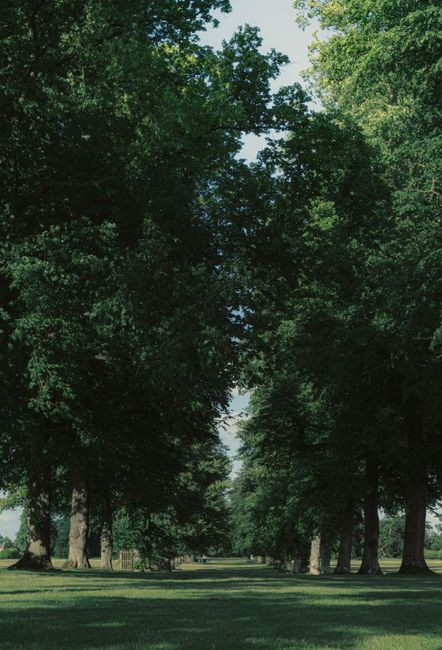
Hainault gardeners guide for homes near Hainault Forest
If you live close to Hainault Forest, your garden has its own personality. Some plots get dappled shade from mature trees, others feel exposed to wind, and plenty of homes deal with leaf fall, root competition, damp patches, or soil that never quite behaves the way you want it to. That is exactly why this Hainault gardeners guide for homes near Hainault Forest matters: it helps you make practical decisions that suit local conditions instead of following generic advice that sounds fine on paper and falls apart by spring.
In this guide, you will find clear steps for planning, maintaining, and improving a garden near the forest edge. We will look at seasonal routines, planting choices, common mistakes, safety and compliance points, and the kinds of service decisions homeowners usually face. If you are comparing professional help, you can also explore the full range of gardening services, review pricing and quotes, or read more about the team behind the work. Simple enough. But the details matter here.
Near Hainault Forest, the garden often changes character faster than you expect. A sunny border can become shaded over time. A lawn can thin out where roots and moisture build up. A tidy hedge can suddenly become a nesting shelter, or a windbreak, depending on the season. Truth be told, the best results come from understanding those little local quirks and working with them, not against them.
Why Hainault gardeners guide for homes near Hainault Forest matters
Gardens near Hainault Forest are often shaped by the same things: mature trees, changing shade, falling leaves, wildlife pressure, and soil that can vary quite a bit from one street to the next. That means a good gardening plan has to be local, not generic. If you use the same approach you would use for a bright, open plot elsewhere in London, you can end up with weak lawns, patchy borders, or planting that looks promising in April and tired by August.
This guide matters because it helps you understand the relationship between your home garden and the surrounding landscape. Forest-edge gardens often need a bit more observation. Where does morning sun actually reach? Which beds stay moist after heavy rain? Which side of the garden gets the brunt of the wind? Once you know that, your choices get easier. You stop guessing. And, frankly, you stop wasting money on the wrong plants or repeated fixes.
There is also a practical maintenance angle. Close to woodland, the job is rarely about a one-off makeover. It is about rhythm: cutting back, feeding, mulching, clearing, checking for damage, and planning ahead for the next season. A home garden near Hainault Forest can be beautiful, but it usually rewards consistency more than drama.
Key takeaway: the closer your home is to Hainault Forest, the more your garden benefits from site-specific planning, seasonal maintenance, and sensible plant choices that cope with shade, moisture, roots, and leaf fall.
How Hainault gardeners guide for homes near Hainault Forest works
Think of it as a three-part process: observe, plan, then maintain. That sounds almost too simple, but it works.
First, observe the site. Walk your garden at different times of day. Notice the light in the morning, at midday, and late afternoon. Check where water sits after rain. Look at which areas are sheltered and which feel exposed. If you have trees nearby, note where leaves collect and where roots may be influencing the soil.
Second, plan for the actual conditions. A shaded garden is not a failed garden. It just needs the right plants and layout. A damp corner is not a problem if you use it for moisture-loving planting or improve drainage gradually. Small lawns can work near trees, but only if you accept that they may need more care than lawns in open streets.
Third, maintain in seasons. Spring is for shaping, mulching, and planting. Summer is for watering, deadheading, and keeping growth under control. Autumn brings leaf clearing and soil protection. Winter is the time for structural pruning, checking supports, and planning the next phase. Near the forest, this seasonal pattern becomes even more useful because the garden responds quickly to changing weather and light.
If you are bringing in professional help, it is worth looking at service scope rather than just a headline price. A complete visit might include bed weeding, hedge trimming, lawn care, pruning, and waste removal, while a lighter visit could focus on one or two tasks only. You can see how that is described on the services overview page and compare options against your own priorities.
Key benefits and practical advantages
Well-planned garden care near Hainault Forest gives you more than neat borders. It improves how the garden works day to day, and that matters when your outdoor space has to handle real life: muddy shoes, kids, pets, bins, bikes, and the occasional overgrown weekend. Let's face it, most gardens are not magazine shoots.
- Better plant survival: choosing plants suited to shade, semi-shade, or moisture reduces failure and replacement costs.
- Cleaner, safer outdoor spaces: regular path clearing, hedge shaping, and pruning reduce trip hazards and improve access.
- Improved appearance year-round: a garden with structure still looks good in late autumn, not just in peak bloom.
- Less reactive maintenance: small, regular tasks prevent the big backlog that makes gardens feel overwhelming.
- More wildlife-friendly balance: near forest land, you can support biodiversity without letting everything run wild.
- Better value from your budget: targeted work is usually more efficient than repeated emergency fixes.
For many homeowners, the biggest advantage is peace of mind. You know what is happening in the garden and why. That matters when a neighbour's tree shades one corner, or when heavy rain leaves a bed soggy for days. A good local gardener does not just "tidy up"; they help you read the plot properly.
If you want to understand costs and how quotes are typically structured, the pricing and quotes page is a sensible next step.
Who this is for and when it makes sense
This guide is useful for a wide range of homeowners, but it is especially relevant if your garden sits close to Hainault Forest, woodland edges, or tree-lined residential streets. Different properties need different solutions, of course, but the following situations come up again and again.
- New homeowners who have inherited a garden and want a practical starting point.
- Busy families who want a garden that stays manageable between visits.
- Older properties with mature planting, larger trees, or tricky shaded areas.
- Homes with small front gardens that still need to look smart with minimal upkeep.
- Properties with lawns and hedges that need regular maintenance to stay healthy.
- Landlords and rental homeowners who need reliable presentation without over-investing in difficult features.
It also makes sense if you have reached that point where the garden is not a disaster, exactly, but it is starting to nag at you. A patchy hedge. A lawn that feels spongy. Weeds creeping through paving. Nothing dramatic. Just enough to be annoying every time you open the back door.
In those cases, a structured plan saves time. If you are ready to speak with someone about a tailored approach, you can use the contact page to start a conversation, or learn more about the company's background through the about us page.
Step-by-step guidance
Here is a practical approach that works well for many gardens near Hainault Forest. It is not fancy. That is the point.
- Assess light, moisture, and soil condition. Look at your garden after rainfall and after a dry spell. Note where moss, bare patches, or pooling water appear.
- Map the high-maintenance areas. Identify hedges, edges, trees, paths, and borders that need the most regular attention.
- Set a realistic maintenance frequency. A small neat garden may need fortnightly care in peak growing season, while a larger mixed garden may suit a monthly structure plus seasonal visits.
- Choose plants for the conditions, not just the colour. Shade-tolerant, moisture-tolerant, and root-aware planting tends to perform better near woodland influence.
- Protect the soil. Mulch beds, avoid compacting wet ground, and keep soil covered where possible. Bare soil near trees often dries or crusts quickly.
- Manage leaf fall properly. Rake leaves before they mat down. In wet weather, a thick leaf layer can smother grass and make paths slippery.
- Review after each season. Small adjustments, made on time, are usually more effective than big changes made in frustration.
A useful way to think about it: the garden tells you what it needs if you bother to look. Not in words, obviously, but in moss, growth, and the way water behaves. A bit old-school maybe, but it works.
Expert tips for better results
Below are the sorts of details that often separate a tidy garden from one that genuinely thrives near Hainault Forest.
1. Use layering to soften difficult spaces
In partially shaded gardens, layered planting often looks better than isolated feature plants. Combine groundcover, mid-height shrubs, and a few structural plants so the space feels full without becoming crowded. This also helps reduce weeds, which is always a bonus.
2. Prioritise root-aware planting
If tree roots are active nearby, do not fight them with thirsty, shallow-rooted plants in the wrong place. Instead, use species and layouts that cope better with competition. Raised edging or container planting can sometimes be the simplest answer. Not glamorous, but effective.
3. Keep hedges and shrubs in proportion
Near woodland, it is easy for a hedge to drift from "smart boundary" to "green wall" if left too long. Regular light trimming is better than harsh cutting later. You will usually get a healthier, denser shape and less stress on the plant.
4. Work with the seasons, not against them
Spring and early summer are usually best for growth-led tasks. Autumn is ideal for soil care and tidying. Winter is often the right time for structural pruning, although always avoid unnecessary work during severe weather or when nesting or safety concerns apply. A calm, practical approach tends to age better.
5. Build in easy wins
Sometimes the smallest changes make the biggest difference. Better edging. A clear path line. Fresh mulch. A single replaced panel of broken fencing. Those quick improvements make the whole garden feel more looked after, even before bigger projects happen.
If sustainability matters to you, it is worth checking how green waste is handled. The recycling and sustainability page explains how responsible disposal and reuse fit into the service approach.
Common mistakes to avoid
People near Hainault Forest often make the same handful of mistakes, usually because the garden looks straightforward at first glance. Then the problems show up a month later. Typical stuff.
- Choosing plants for looks only: attractive but unsuitable plants can struggle in shade, damp, or root competition.
- Over-pruning too late: hard cuts made at the wrong time can leave shrubs sparse or stressed.
- Ignoring drainage signs: muddy patches and moss are messages, not just cosmetic issues.
- Letting leaf build-up sit too long: especially on lawns, paths, and low borders where moisture lingers.
- Using the wrong mower height: cutting grass too short weakens it, particularly in variable shade.
- Assuming every corner needs full sun plants: this is one of the quickest routes to disappointment.
- Buying a one-off tidy without a follow-up plan: the garden may look better for a week, then slip back.
And one more. People often underestimate how much easier a garden becomes once there is a sensible routine. Not a perfect routine. Just a decent one. That is enough for most homes, to be fair.
Tools, resources and recommendations
You do not need a massive toolkit to keep a garden near Hainault Forest in shape. Good tools, used regularly, are better than a shed full of shiny things that never get picked up. Here is a practical shortlist.
| Tool or resource | Why it helps | Best use case |
|---|---|---|
| Border fork or hand fork | Helps loosen soil gently without roughing up roots | Shaded beds, compacted patches, light cultivation |
| Sharp secateurs | Makes cleaner cuts on shrubs and smaller stems | Pruning, deadheading, quick shaping |
| Leaf rake | Essential for autumn clearance and path safety | Leaves, debris, light lawn care |
| Mulch | Protects soil, helps moisture retention, and suppresses weeds | Borders, tree bases, seasonal refreshes |
| Smart watering can or hose control | Helps avoid overwatering or wasted effort | New planting, summer watering, dry spells |
| Service plan or maintenance schedule | Keeps work consistent and avoids last-minute catch-up jobs | Busy households and larger gardens |
For many homeowners, the best "resource" is actually a clear maintenance agreement. If you need clarity around what is included, how work is booked, or how issues are handled, pages like terms and conditions, payment and security, and complaints procedure can be useful in building trust before work begins.
You may also want to look at the company's approach to health and safety and insurance and safety, especially if the job involves ladders, power tools, or access around difficult boundaries.
Law, compliance, standards, or best practice
Garden care is usually straightforward, but a few common-sense standards matter. Near Hainault Forest, that means thinking about safety, waste handling, neighbour relations, and property boundaries with a bit of care.
Health and safety: any work involving tools, slopes, wet ground, overhead branches, or repetitive lifting should be managed safely. Good practice includes using suitable equipment, checking the work area before starting, and keeping paths clear. If a contractor is involved, it is sensible to confirm their approach through an insurance and safety page or equivalent written information.
Waste and recycling: green waste should be handled responsibly. Composting, recycling, or authorised removal is generally the sensible route. Overfilled bins and dumped clippings are avoidable problems, and nobody wants a damp pile of hedge trimmings sitting by the fence for a week. That smell on a warm afternoon? No, thank you.
Neighbour awareness: pruning overhanging growth, managing hedge height, and avoiding debris on shared boundaries are all part of good garden manners. If you are not sure where a boundary sits, take a careful approach rather than an aggressive one.
Accessibility and safe access: if your garden is used by older family members, children, or anyone with mobility concerns, paths, steps, handovers, and storage should be kept simple and unobstructed. For service users who want to understand site accessibility information, the accessibility statement may be helpful.
None of this is complicated. It is just the difference between a garden that looks nice and a garden that works safely and properly over time.
Options, methods, and comparison table
Homeowners near Hainault Forest usually choose one of three broad approaches: do-it-yourself upkeep, ad hoc help, or scheduled professional maintenance. Each has a place.
| Approach | Best for | Pros | Watch-outs |
|---|---|---|---|
| DIY maintenance | Smaller gardens, confident gardeners, tight budgets | Low cost, flexible timing, personal control | Easy to fall behind; can miss local soil or shade issues |
| One-off tidy-up | Overgrown gardens, move-in prep, pre-sale presentation | Fast visual improvement, good reset point | Needs follow-up or the garden slips back |
| Scheduled maintenance | Busy households, larger plots, mature gardens near trees | Consistent results, better long-term control, less stress | Requires planning and a clear scope of work |
In our experience, scheduled maintenance tends to suit homes near Hainault Forest best because conditions can change quickly through the year. The garden often needs little-and-often attention rather than heroic catch-up work after everything has got away from you.
If you are unsure which option fits your situation, it can help to compare the likely workload, your available time, and how much you care about year-round presentation versus occasional tidy-ups. A simple honest decision, really.
Case study or real-world example
Picture a semi-detached home a short walk from the forest. The front garden gets decent morning light, but the rear plot sits in partial shade from late spring onwards. There is a lawn that turns patchy near the fence, two mixed borders, and a narrow path that picks up leaf litter in autumn.
At first glance, the owner wants a full makeover. New lawn, new plants, new everything. But after a proper look, the better answer is more measured. The lawn area nearest the trees is reduced slightly, the border is widened to include shade-tolerant shrubs and groundcover, and the path is kept clear with regular leaf clearing. A layer of mulch goes in to protect the soil, and the hedge is trimmed lightly rather than hacked back.
The result is not a dramatic before-and-after in the television sense. It is better than that. The garden becomes easier to live with. It looks neater in February, not just June. The path is safer. The border feels deliberate. The lawn stops fighting for a position it was never going to win. Small win, but a real one.
That kind of practical change is often the best outcome for homes near Hainault Forest. Calm, consistent, sensible. Not flashy. But very usable.
Practical checklist
Use this checklist before the growing season, after heavy leaf fall, or when you are planning a maintenance visit.
- Check where the garden gets sun, shade, and wind during the day.
- Inspect for damp patches, moss, bare soil, or compacted ground.
- Identify hedges, trees, and borders that need regular attention.
- Decide whether the garden needs a one-off tidy or ongoing maintenance.
- Choose plants suited to the actual conditions, not wishful thinking.
- Clear leaves, branches, and debris from paths and lawn edges.
- Mulch borders where the soil needs protection or moisture retention.
- Review pruning needs carefully before cutting anything back hard.
- Check safety, waste removal, and insurance details before hiring help.
- Set a realistic next-date for the garden's follow-up care.
That last one matters more than people think. A garden usually stays in good shape because someone kept the next step visible.
Conclusion
A garden near Hainault Forest can be one of the most rewarding spaces to care for, but it needs a plan shaped by local conditions. Shade, leaves, roots, moisture, and seasonal change all influence what works and what does not. Once you accept that, the work gets easier. Better even.
The Hainault gardeners guide for homes near Hainault Forest is really about making sensible choices: choosing the right plants, keeping on top of maintenance, using safe methods, and not overcomplicating things. A good garden near the forest is usually not built on big gestures. It is built on regular attention, small improvements, and a bit of patience through the seasons.
If you are ready to turn a tricky outdoor space into something more manageable, start with the basics, ask the right questions, and choose support that understands the local setting. Little by little, the garden comes together. And that is a satisfying thing to watch.
Get a free quote today and see how much you can save.
Frequently Asked Questions
What makes gardens near Hainault Forest different from other London gardens?
They often deal with more shade, more leaf fall, more moisture variation, and more competition from nearby trees. That changes what will thrive and how often maintenance is needed.
Do I need a professional gardener for a small garden near Hainault Forest?
Not always. Some small gardens are easy to manage yourself. But if shade, roots, or recurring overgrowth are becoming a hassle, occasional professional help can save time and improve results.
What are the best plants for shaded gardens near woodland?
Shade-tolerant shrubs, groundcover, and mixed border plants usually perform better than full-sun favourites. The best choice still depends on soil, moisture, and how much light reaches the space.
How often should a garden near Hainault Forest be maintained?
There is no single rule, but many gardens benefit from regular visits during the growing season and seasonal work in autumn and winter. The right schedule depends on size and complexity.
Is leaf clearing really that important?
Yes. Leaves left too long can smother lawns, make paths slippery, and encourage damp conditions that are hard to reverse later. A bit of routine clearing goes a long way.
Can tree roots affect my lawn or borders?
Absolutely. Roots can compete for water and nutrients, and they may make digging or planting more difficult. In those areas, lighter planting and soil protection are often better than heavy disturbance.
How do I know if I need a one-off tidy or ongoing maintenance?
If the garden just needs a reset, a one-off tidy may be enough. If it keeps drifting back into disorder, or if mature planting needs regular care, ongoing maintenance usually makes more sense.
What should I check before hiring a gardener?
Ask what is included, how waste is handled, how pricing is structured, and whether safety and insurance information is available. It is also worth checking terms so there are no surprises later.
Does responsible gardening near the forest mean I have to let everything grow wild?
No. Wildlife-friendly and well-kept are not opposites. You can maintain a neat garden while still supporting biodiversity through careful planting, seasonal structure, and thoughtful trimming.
What is the biggest mistake homeowners make with local garden care?
The most common mistake is using generic advice that ignores shade, roots, and moisture. The second is leaving maintenance until the garden feels overwhelming. Both are fixable, luckily.
Where can I find more information about the company's service standards?
You can review the health and safety policy, insurance and safety details, and terms and conditions for more background before booking work.
How do I start if my garden feels too far gone?
Start with a clear assessment: remove debris, identify the most urgent problem areas, and decide whether you need a tidy-up, a maintenance plan, or a larger redesign. A good first step is often simpler than you think.