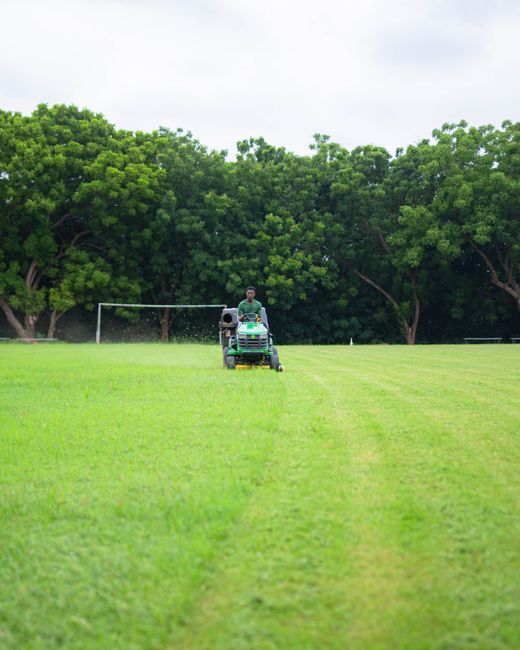
Aldborough Hatch gardeners for large suburban lawn care
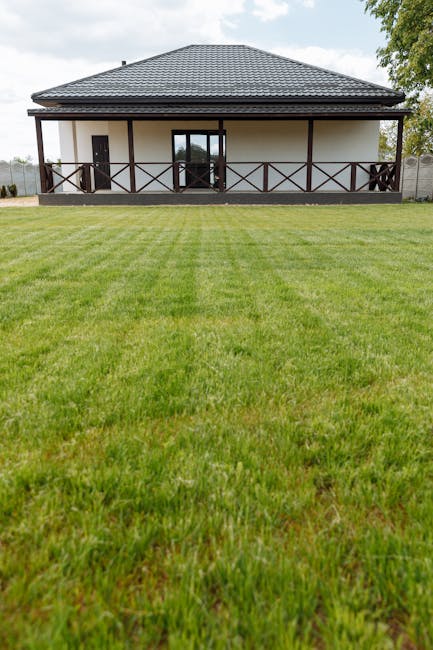
If you own a bigger suburban garden in Aldborough Hatch, you already know the lawn can quietly become the most demanding part of the whole space. It looks simple from the kitchen window, but once grass starts growing unevenly, edges blur, moss creeps in, and the mower needs a second pass, the job suddenly becomes a proper weekly chore. That is where Aldborough Hatch gardeners for large suburban lawn care make a real difference. They do more than just cut grass. They help keep the whole garden balanced, healthy, and manageable through the seasons.
This guide walks through what professional lawn care involves, why it matters for larger suburban plots, how the work is usually handled, and what to look for before you book anyone in. It is practical, local, and written for real gardens, not magazine-perfect ones. Because let's face it, most lawns are lived on. Kids run across them, pets wear paths into them, and one damp week can change everything.
Why Aldborough Hatch gardeners for large suburban lawn care Matters
A larger suburban lawn is not just a patch of grass. It is a living surface that changes with rainfall, shade, soil compaction, foot traffic, and how often it gets cut. In Aldborough Hatch, many gardens sit somewhere between traditional family plots and more open suburban spaces, which means the lawn often does double duty: it looks smart, but it also needs to cope with everyday use. That combination can be awkward.
When a lawn is left to drift, problems tend to build quietly. The first sign might be a few patchy areas near the patio. Then you notice the mower struggling because the grass is too long. Then the edges along paths and borders start to look untidy, and the whole garden feels unfinished. A regular professional approach prevents that slow slide. And to be fair, it is usually easier to keep a lawn in shape than to rescue one later.
Large lawns also require more judgement than small ones. Cut too short and the turf can weaken, especially in dry spells. Cut too infrequently and the lawn starts to matt down, leaving clumps and a rough finish. A skilled gardener knows how to read the grass, the weather, and the soil conditions rather than treating every visit the same.
Expert summary: For larger suburban lawns, good care is about rhythm, not just mowing. The best results usually come from steady maintenance, sensible cutting heights, tidy edging, and watching for early signs of stress before they turn into bigger repairs.
If your garden includes shaded corners, mature trees, or areas used for play and entertaining, the lawn becomes even more sensitive. The rest of the garden may look fine while the grass tells a very different story. That is why local, hands-on attention matters. It is not glamorous work, but it keeps the whole garden feeling cared for.
How Aldborough Hatch gardeners for large suburban lawn care Works
In practice, lawn care for a bigger suburban garden usually starts with a simple assessment. A gardener will look at grass length, density, uneven patches, drainage issues, moss, weeds, and the general layout of the garden. They will also think about access, because a long narrow side return or a rear garden with steps can change how the work is carried out. Small detail, big impact.
From there, the work may include mowing, strimming, edging, scarifying, feeding, aerating, and sometimes light lawn repair. Not every visit needs all of that. In fact, one of the marks of a good service is knowing what not to do. You do not need every treatment every time. That would be overkill, and lawns are surprisingly good at telling you when they have had too much.
Many larger lawns benefit from a seasonal approach. Spring often focuses on recovery after winter: cleaning up debris, managing early growth, and encouraging healthy density. Summer usually means consistent cuts and moisture awareness. Autumn is often about preparing the lawn for wetter weather, leaf fall, and reduced growth. Winter is generally gentler, with less cutting and more monitoring. The exact schedule depends on conditions, of course, but the pattern holds pretty well.
If the garden is part of a wider maintenance plan, lawn care may sit alongside garden maintenance or be grouped with broader outdoor work. That can be handy for large plots, because the lawn, hedges, borders, and paths all influence one another. A neglected hedge can shade the grass. Fallen clippings can smother it. A good service sees the connections, not just the grass itself.
Some jobs are straightforward. Others need a bit of judgement. For example, a lawn that has been cut too short after a wet week might look tidy for a day, then show brown tips and weak regrowth. The answer is not always "cut again"; sometimes it is "leave it, feed lightly, and let it recover." That sort of practical restraint is valuable.
Key Benefits and Practical Advantages
There are obvious benefits to regular lawn care, but the real value is often in the less obvious stuff. A neat lawn changes how the whole property feels. It makes the garden usable, easier to maintain, and far less stressful to look at. You notice it when you step outside and the space simply feels under control.
- Better appearance: Clean edges and consistent height make the whole garden look more finished.
- Healthier grass: Regular, properly timed mowing encourages denser growth and fewer weak patches.
- Reduced weeds and moss pressure: A stronger lawn tends to resist invasion better than a thin one.
- Easier seasonal care: Routine work makes spring and autumn much more manageable.
- Safer use of outdoor space: Even surfaces and clear edges reduce trip hazards and messy overgrowth.
- Less stress for the homeowner: A big lawn can feel like a project. Regular care turns it back into a garden.
For larger suburban properties, there is also a practical time-saving benefit. A broad lawn can eat up a weekend if you are trying to do it properly with limited equipment. By the time you have mown, trimmed, edged, and tidied the clippings, the afternoon has gone. Professional help gives you that time back, which is no small thing if you have children, work commitments, or other parts of the garden demanding attention.
Another advantage is consistency. A lawn can look acceptable even when it is not truly well managed. Over a few weeks, though, the differences show up. Professional care tends to keep things on an even keel, which is especially useful if you want the garden to look good all year rather than only after a big tidy-up.
Who This Is For and When It Makes Sense
This service is a strong fit for homeowners with larger rear gardens, front lawns, corner plots, or anything that needs more than the occasional once-over. It also makes sense if your garden includes features that complicate mowing: trees, slopes, uneven ground, narrow borders, awkward access, or mixed-use areas where children, pets, and planting beds all share the same space.
It is especially useful if you have been trying to keep up on your own but the lawn keeps slipping. Maybe you mow too late because of rain. Maybe the grass gets longer than you planned, so the mower bogs down. Maybe the edges are the thing that always gets missed. Happens all the time.
It may also be a good choice if you are preparing for an event, planning to put a property on the market, or simply want the garden to look sharper without taking on another weekend job. A large suburban lawn is often one of the first things people see, even if they do not say it out loud. It sets the tone.
That said, not every garden needs intensive treatment. If your lawn is small and low-pressure, simple upkeep might be enough. If you already enjoy DIY gardening and have the right equipment, you may only need occasional support. The key question is not "Can I do this myself?" but "Do I want to keep doing it at this scale?" Honest answer matters more than pride here.
Step-by-Step Guidance
If you are thinking about booking Aldborough Hatch gardeners for large suburban lawn care, it helps to understand how a sensible job is usually planned. Here is a practical way to think about it.
- Assess the lawn properly. Look for bare patches, moss, weeds, shade issues, and wet areas. A lawn is rarely one problem. Usually it is three.
- Decide the maintenance level. Some lawns need routine mowing only. Others need feeding, scarifying, or aeration to recover properly.
- Set a realistic schedule. Larger lawns often do better with regular cuts rather than occasional heavy mowing. The grass will thank you for it, honestly.
- Choose the right cutting height. Cutting too low can stress the grass, especially during dry spells or after heavy use.
- Keep the edges under control. Edging matters more than people think. It creates that crisp, finished look that makes the whole space feel cared for.
- Deal with clippings and debris. Leaving too much behind can smother the grass and spoil the finish.
- Monitor problem areas. Watch shady patches, traffic routes, and spots where water sits after rain.
- Review the results seasonally. What works in April may not be right in August. The lawn changes, so the care plan should too.
For many homeowners, the first visit does the most visible work. After that, the job becomes easier to maintain. That is the point, really. Good lawn care should lower the effort needed from the owner, not add to it.
Expert Tips for Better Results
There are a few practical habits that make a noticeable difference, and they are not complicated. Small things, done consistently, often beat occasional big efforts.
1. Don't chase the perfect cut every time. On a large lawn, the aim is healthy and even, not golf-course perfection. Trying to force a flawless finish in poor conditions can do more harm than good.
2. Cut when the grass is dry if possible. Wet grass clumps, tears more easily, and leaves a mess behind. You know the feeling: shoes damp, mower clogging, patience thinning.
3. Watch the weather. A sudden warm spell can push growth quickly. A cold snap can slow everything down. Lawn care is one of those jobs where local conditions really matter.
4. Leave shade alone to a point. Thin grass under trees or along fences often needs different treatment. Sometimes it needs less frequent cutting and more patience rather than more pressure.
5. Edge after mowing. It gives a sharper finish and stops the lawn from spilling into paths and beds. A small step, but it changes the whole look.
6. Keep the mower blades sharp. Dull blades tear grass rather than cut it cleanly. That can leave the lawn looking frayed and tired.
7. Build in recovery time. If the lawn has been stressed by heat, traffic, or a period of neglect, do not rush all the treatments at once. Recovery is usually steadier when it is paced properly.
One more thing: if you are managing a lawn that doubles as a play area, be realistic about wear and tear. There will be paths where the grass struggles. It is normal. A good gardener works with that pattern rather than pretending it will never happen.
Common Mistakes to Avoid
A lot of lawn problems come from well-meant but unhelpful habits. Nothing dramatic, just everyday mistakes that add up.
- Cutting too much at once: Removing too much grass in one go can shock the lawn.
- Ignoring edges and corners: These are the first places a lawn starts to look neglected.
- Using the same approach all year: Summer and winter need different care.
- Overfeeding or overwatering: More is not always better. Sometimes it just causes weak growth or soggy conditions.
- Letting moss take over: Moss is usually a sign that the lawn is unhappy, not just a cosmetic issue.
- Leaving debris on the surface: Leaves, branches, and clumps can all block light and airflow.
- Assuming every patch needs the same treatment: Dry shade, heavy foot traffic, and compacted soil all behave differently.
One slightly annoying truth: the problems you can see are often not the real problems. The visible patchiness is usually tied to drainage, shade, compaction, or soil quality underneath. That is where good gardeners earn their keep. They look beyond the surface.
Tools, Resources and Recommendations
Good results depend on the right tools and a sensible routine. For large suburban lawns, the basics matter most.
| Tool or resource | Why it helps | Best use case |
|---|---|---|
| Reliable mower | Gives an even cut and handles regular work efficiently | Routine lawn mowing on medium to large lawns |
| Strimmer or edging tool | Sharpens borders and reaches awkward corners | Paths, fence lines, beds, and curved edges |
| Rake | Clears debris and helps lift thatch or clippings | After cutting or seasonal tidy-ups |
| Aeration tool | Improves airflow and can help compacted soil breathe | Lawns used heavily or suffering from poor drainage |
| Scarifying equipment | Removes built-up moss and dead material | Spring or autumn recovery work |
| Quality lawn feed | Supports stronger growth if used at the right time | Seasonal lawn improvement |
On the service side, it can help to look at a company's wider offering rather than focusing only on mowing. For example, a provider that also covers lawn mowing, hedge trimming, and garden clearance is often better placed to manage the whole setting around a lawn. That matters because the best lawn care rarely happens in isolation.
If your garden needs more structural work, it may also be worth understanding broader landscape gardening or landscaping support. That is especially useful when a lawn is struggling because the layout itself is part of the issue, not just the grass.
And if you are comparing providers, check how they present their approach to pricing, safety, and service scope. Transparency matters. A tidy website is nice, sure, but clarity is nicer.
Law, Compliance, Standards, or Best Practice
For domestic lawn care, there usually is not a long list of special legal requirements for the homeowner, but there are still sensible standards and responsibilities worth paying attention to. Good practice is mostly about safety, waste handling, neighbour awareness, and avoiding preventable damage.
If a gardener is using power tools, working with ladders, handling garden waste, or carrying out heavier tasks around trees and hedges, they should be operating with proper care and suitable safety procedures. That is where it helps to choose a business that is open about health and safety policy and insurance and safety. It is not about being fussy. It is about avoiding awkward surprises if something goes wrong.
Waste should also be managed responsibly. Grass cuttings, branches, leaves, and other green waste should not be dumped casually. If removal is part of the service, it is reasonable to ask how it is handled. A gardener who follows sensible recycling and sustainability practices shows they are thinking beyond the immediate job.
For homeowners, best practice is simpler: keep access clear, share any known hazards, mention pet areas or fragile paving, and be honest about what you want the garden to do. If a lawn is meant for heavy family use, say so. If you want a softer, more ornamental finish, say that too. The more the gardener knows, the better they can work.
On a practical note, it is also worth understanding the provider's policies around quotes, payment, and complaints. Not because you expect problems, but because clear terms make the whole experience calmer. A bit boring maybe, but very useful.
Options, Methods, or Comparison Table
Large suburban lawns can be managed in different ways depending on budget, time, and how polished you want the finish to be. Here is a simple comparison.
| Approach | Best for | Advantages | Possible drawbacks |
|---|---|---|---|
| DIY mowing only | Smaller demands, confident homeowners | Low direct cost, flexible timing | Time-consuming, easy to fall behind, equipment wear |
| Regular gardener visits | Busy households and larger lawns | Consistent care, better presentation, less hassle | Ongoing service cost |
| Seasonal improvement plan | Lawns that need recovery or reset | Targets moss, compaction, weak patches, and uneven growth | May need upfront work and follow-up |
| Full garden maintenance package | Properties with lawns, hedges, borders, and clearance needs | Everything stays aligned, fewer separate jobs | Can be more than you need if the lawn is the only issue |
The right option depends on how your garden behaves over a full season, not just how it looks on one sunny afternoon. A lawn that stays healthy with simple mowing is one thing. A lawn that gets waterlogged, shaded, and worn by foot traffic is another story entirely.
If you are unsure, starting with an assessment and a short maintenance plan is often the safest move. You can always build from there. In truth, most good lawn care decisions are made by observing what the grass is doing, not by guessing.
Case Study or Real-World Example
Imagine a typical Aldborough Hatch suburban garden: a broad rear lawn, a patio near the house, mature shrubs along one boundary, and a narrow side run that catches less light. The lawn looks fine from a distance, but up close it has a few predictable problems. The central area gets used most, the shaded side stays damp after rain, and the edges near the path keep getting nibbled by the mower rather than neatly cut.
In a case like that, the first visit would usually focus on tidying the grass height, clearing debris, and defining the edges. After that, the gardener might reduce the cutting height only slightly rather than going low all at once, because the lawn is already uneven. The shaded side might need lighter, less frequent mowing and perhaps some improvement work later. The more used central section could benefit from aeration or, in time, overseeding if it has thinned out.
What changed most in this kind of garden was not dramatic. The grass looked calmer. The whole space felt more intentional. The path was clearer, the patio looked connected to the lawn rather than lost beside it, and the borders stopped blending into the grass. The homeowner did not suddenly get a "new" garden. They got a garden that felt managed. There is a difference, and a fairly big one.
That is the practical appeal of professional care. It gives shape to a space that has gradually drifted out of shape. Not flashy. Just satisfying.
Practical Checklist
Use this checklist if you are preparing to book Aldborough Hatch gardeners for large suburban lawn care or reviewing the state of your own garden.
- Is the lawn cut regularly enough to avoid heavy mowing sessions?
- Are edges along paths, beds, and fences kept neat?
- Are there shaded or wet areas that need special attention?
- Has moss started to spread in patches?
- Are there obvious compacted paths from repeated foot traffic?
- Is grass clippings waste being removed or managed properly?
- Do you know whether the lawn needs feeding, aeration, or scarifying?
- Are tree branches or hedges affecting light levels over the lawn?
- Does the gardener offer a clear plan for seasonal changes?
- Have you checked service policies on safety, payment, and communication?
If you can tick most of those off, you are probably in a good place. If not, that is fine too. It just means the lawn has a bit of catching up to do.
Get a free quote today and see how much you can save.
Conclusion
A large suburban lawn is one of those garden features that quietly influences everything else. When it is healthy and well kept, the whole property feels easier to live with. When it is neglected, the garden can start to feel unfinished, even if everything else is fine. That is why Aldborough Hatch gardeners for large suburban lawn care can be such a practical investment for busy households and larger plots.
The best approach is steady, realistic, and tailored to the garden in front of you. Not every lawn needs the same treatment, and not every problem needs a dramatic fix. Often, it is the regular, careful work that makes the biggest difference. Keep it consistent, keep it sensible, and the lawn will usually reward you for it.
If you are standing at the back door wondering whether your grass just needs a cut or a proper care plan, that is usually the right moment to act. A bit of attention now can save a lot of repair later, and it is always nicer to enjoy the garden than wrestle with it.
Frequently Asked Questions
What do Aldborough Hatch gardeners for large suburban lawn care usually include?
Most services include mowing, edging, and basic tidy-up work, with optional extras such as scarifying, aeration, feeding, and waste removal. The exact scope depends on the lawn's condition and what you want from the garden.
How often should a large suburban lawn be cut?
That depends on growth rate, weather, and the season. In active growing periods, larger lawns usually benefit from regular cuts rather than occasional heavy mowing. A steady routine is normally better than letting it get away from you.
Can a gardener help improve patchy or thin grass?
Yes, but the fix depends on the cause. Patchiness may come from shade, compaction, drought, wear, or poor soil. A good gardener will look beyond the surface and suggest the right next step rather than just cutting it shorter.
Is professional lawn care worth it for a family garden?
For many family gardens, yes. If the lawn gets used a lot, professional care can keep it safer, neater, and easier to maintain. It also saves time, which is often the biggest benefit of all.
What is the difference between mowing and full lawn care?
Mowing is just one part of lawn care. Full lawn care can also include edging, feeding, moss control, aeration, scarifying, and seasonal planning. Mowing keeps it tidy; broader care helps it stay healthy.
How do I know if my lawn needs scarifying?
If there is a thick layer of thatch, moss build-up, or the grass feels spongy and weak, scarifying may help. It is not needed every time, though, and overdoing it can stress the lawn. A proper assessment is best.
Are there safety issues I should ask about before hiring a gardener?
Yes. It is sensible to ask about insurance, tool safety, and how the work is carried out, especially if there are trees, slopes, or heavy equipment involved. A trustworthy provider should be clear about these points.
What happens to the grass cuttings?
That depends on the service. Some gardeners mulch light clippings back into the lawn, while others collect and remove them. If you have a large lawn, ask in advance so you know what to expect.
Can lawn care be combined with other garden work?
Absolutely. Many homeowners combine lawn care with hedge trimming, clearance, or broader maintenance so the whole garden stays in sync. That is often more efficient than booking separate visits for each task.
What should I look for in a local gardener?
Look for clear communication, sensible seasonal advice, transparent pricing, and a practical understanding of lawn health. Experience matters, but so does the ability to explain what your garden actually needs.
Does weather in suburban London affect lawn care much?
Yes, quite a bit. Wet periods can make mowing awkward and compact the soil, while dry spells can stress the grass quickly. Local conditions shape the schedule, so flexibility is important.
How do I prepare my garden before a lawn care visit?
Move toys, furniture, hosepipes, and loose items off the grass, and mention any fragile areas or hidden obstacles. A few minutes of prep makes the job smoother and helps avoid damage.
In the end, a good lawn is not just about the cut. It is about care, timing, and a bit of patience. Get that right, and the garden starts to feel like a place you want to spend time in again.